Many homeowners across the island notice that their aircon systems gradually lose their crisp, cooling power over time. They assume that a standard chemical wash or a basic wipe-down will fix the issue immediately. Unfortunately, they continue to pay high electricity bills while breathing in contaminated air every single day.
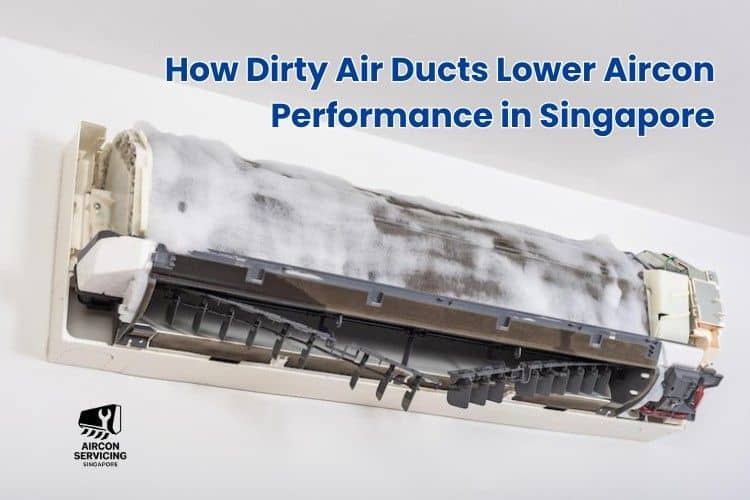
Accumulated debris can cause dirty air ducts in Singapore homes, severely degrading system efficiency and compromising your indoor air quality. Clogged components restrict airflow across cooling coils, forcing the system to work harder. Homeowners must utilize comprehensive air duct cleaning services in Singapore to restore system performance and maintain safe indoor conditions.
Environmental Challenges In Tropical Environments
Maintaining structural efficiency requires a deep understanding of our unique local climate challenges. The high humidity in Singapore creates a perfect breeding ground for microscopic biological contaminants within ventilation networks. When moisture mixes with trapped dust, mold spores in air conditioning systems quickly multiply and spread throughout the property.
Recent building data indicates that poor maintenance results in an average 30% drop in overall system performance within 2 years. Furthermore, uncleaned systems lead to a steady accumulation of volatile organic compounds (VOCs) from household products. These trapped pollutants recirculate through your living spaces, directly breaching the NEA indoor air quality guidelines.
Comparing Ventilation Maintenance Approaches
Property owners often struggle to choose between basic surface cleaning and comprehensive duct sanitation. Standard maintenance only addresses the external covers and immediate filters, leaving hidden areas completely untouched. Securing the best aircon servicing in Singapore requires moving beyond basic filters to target the entire internal infrastructure.
| Performance Indicator | Surface Filter Cleaning Only | Full Air Duct Sanitation |
|---|---|---|
| Airflow Path Clarity | Minimal structural clearance | Removes hidden internal blockages |
| Electricity Cost Impact | Spikes Singapore’s energy tariffs | Optimizes monthly utility bills |
| Allergen Eradication | Temporary dust reduction | Eliminates deep mold colonies |
| Component Lifespan | Continues system stress | Prevents premature part failure |
The True Engineering Impact Of Internal Debris
When debris accumulates, it creates a severe static pressure build-up in ventilation ducts. This resistance restricts the volume of air passing through the fan coil unit and the main condenser. Consequently, the entire system experiences a noticeable reduction in heat transfer efficiency, compromising your home comfort.

This equation demonstrates why simple filter changes cannot solve complex performance issues. The resulting restriction triggers significant strain on the refrigerant cycle, forcing the system to consume excessive power. Over time, this operational overload leads to severe aircon compressor overheating and permanent mechanical breakdowns.
Real-World Residential Ventilation Case Study
A family living in a spacious executive condominium located in the heart of Penn Hills noticed a lingering musty smell when turning on aircon units. Their young children began experiencing frequent respiratory issues, which served as major triggers for asthma and allergic rhinitis. Despite lowering the thermostat setting to 18 degrees, the rooms remained uncomfortably warm and humid.
They contacted a local HVAC specialist in Singapore, Aircon Servicing Singapore, to perform a comprehensive diagnostic inspection. The technical team discovered thick layers of dust mites, heavy biological growth, and clogged air filters and blower wheels. After undergoing a complete mechanical sanitation process, the home experienced immediate relief, normal cooling speeds, and pristine indoor air quality.
Recognizing Invisible System Warning Signs
Homeowners must learn to identify subtle indicators of deep internal contamination. A major thermostat sensor malfunction often occurs when dirt insulates the internal temperature sensors, leading to inaccurate readings. This issue forces the system to run continuously, which rapidly inflates your monthly electricity bills.
- Visible dark dust tracks forming around your ceiling supply vents
- A persistent musty odor that worsens during rainy periods
- Uneven cooling patterns across different rooms in HDB flats
- Rapid accumulation of fine dust on furniture after cleaning
Addressing these early signs prevents the continuous recirculation of particulate matter (PM2.5) through your home. Investing in regular maintenance protects both your expensive household machinery and your family’s health. Partnering with certified experts ensures your system operates at peak safety parameters.
FAQs
How do dirty air ducts in Singapore homes impact indoor air quality?
Contaminated ventilation pathways serve as collection points for airborne allergens and dust mites. Every time your system activates, the powerful fan forces these microscopic particles directly into your living spaces. This continuous cycle severely lowers the indoor air quality in Singapore apartments, causing ongoing respiratory irritation for sensitive residents.
What are the main signs your air conditioning needs cleaning?
The most obvious indicators include weak airflow, increased operating noise, and a sharp rise in your monthly electricity expenses. You might also notice a musty smell when turning on aircon units after they sit idle for several hours. These symptoms indicate that internal blockages are actively preventing proper heat exchange inside the system.
How often should high-end properties schedule duct sanitation?
Residential properties in tropical climates should have a professional inspection every 2 to 3 years. Homes with pets, young children, or residents suffering from chronic allergies require more frequent attention to keep dust levels low. Regular intervention prevents severe dirt accumulation and maintains compliance with local environmental recommendations.
Can blocked ventilation paths cause permanent mechanical failure?
Yes, severe internal blockages place immense physical stress on the core aircon structural components over time. The restricted airflow forces the system to run longer cycles to reach your desired temperature settings. This continuous overwork causes premature component degradation, leading to costly repairs such as compressor replacement.
How does cleaning improve overall energy efficiency?
Removing internal dirt layers reduces resistance to the airflow inside your property. It allows the heat-exchange process to occur quickly, significantly shortening the active cooling cycle. Consequently, your system draws less power from the grid, lowering your expenses against current Singapore energy tariffs.
Secure Your Professional Ventilation Audit
You do not have to accept weak cooling performance or compromised air quality in your home. Aircon Servicing Singapore provides dependable, advanced sanitation solutions tailored for modern tropical residences. Contact our expert team today to schedule your comprehensive system analysis and enjoy refreshing, healthy air throughout your property.