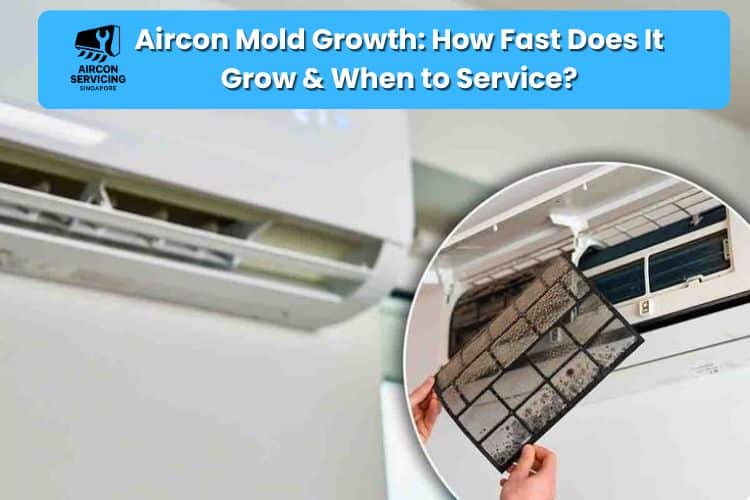
Did you know? In Singapore’s 80%+ average humidity, mold spores can begin to colonize inside your aircon unit in as little as 24 to 72 hours of inactivity if moisture is trapped on the coils.
You switch on your aircon, expecting clean, cool comfort. Instead, you catch a damp smell that feels “off” in a way you can’t ignore. In Singapore’s humidity, that smell often signals one thing: mold has started moving in.
And here’s the scary part. Mold doesn’t need months to grow. It can begin quietly in days when moisture, dust, and poor airflow combine inside your unit.
If you have ever wondered how fast mould spreads, what the warning signs look like, and when you should stop waiting and book service, this guide from Aircon Servicing Singapore gives you the full timeline.
Why Mold Grows So Fast In Singapore Aircons
Singapore’s climate creates the perfect mold playground. Warm temperatures, high humidity, and frequent aircon use keep coils wet for long periods.
Every time your unit cools the air, condensation forms. Then dust sticks to damp surfaces, and mold spores get a free buffet. That’s why even “new” units can develop mold if maintenance slips.
Closed windows also reduce the exchange of fresh air. Over time, trapped moisture builds inside indoor units and drainage lines.
It’s why Singapore aircon servicing isn’t just about comfort. It’s about keeping the air you breathe cleaner, especially in bedrooms, nurseries, and home offices.
The Aircon Mold Growth Timeline: What Happens Week By Week
Mold growth doesn’t show up in one dramatic moment. It follows a predictable pattern. Once you know the stages, you can act before it becomes expensive.
| Timeline | What’s Happening Inside The Unit | What You May Notice | Recommended Action |
| Day 1 to 3 | Moisture sits on coils and the blower | Slight damp smell after switching on | Basic cleaning and airflow check |
| Day 4 to 7 | Dust builds on wet surfaces | Odour gets stronger, cooling feels weaker | Schedule professional cleaning |
| Week 2 | Mold colonies start spreading | Sneezing, itchy throat, stale air | Full indoor unit wash |
| Week 3 to 4 | Drain line slime forms | Water leaks or dripping sounds | Clear drainage and deep service |
| Month 2+ | Mold becomes embedded | Persistent smell, higher bills | Chemical wash or overhaul |
If you’re already past week two, don’t wait. Servicing becomes urgent because mold starts spreading beyond the obvious areas.
Early Warning Signs Most Homeowners Miss
Many people only act when the aircon leaks. That’s late-stage behavior. Mold often gives earlier signals, but they feel “normal” at first.
You may notice a musty smell only during the first few minutes. You might also feel the room stays humid even with the aircon running. Another common clue is waking up with a dry throat or blocked nose.
A Quick Health Test To Know Your Aircon Is Causing Trouble
- The 3-Minute Sniff Test: Does a musty smell appear only when you first turn the unit on?
- The Morning Sneeze: Do you wake up with a dry throat or congestion that clears once you leave the room?
- Visual Dust “Fur”: Is there dark, fuzzy buildup on the directional louvers (flaps)?
If the unit cools slowly, mold could block airflow along the coil and blower wheel.
It is time to book Aircon Servicing before the problem becomes a recurring cycle. A quick intervention now often prevents the need for deeper cleaning later.
Why Mold In Aircon Feels Worse At Night
Nighttime makes mold symptoms louder. Bedrooms stay closed, airflow stays limited, and exposure lasts longer.
If mold spores circulate for 7 to 9 hours while you sleep, you may wake up feeling heavy, tired, or congested. Many homeowners assume it’s “weather” or “dust.” Often, the aircon becomes the hidden trigger.
Also, night settings reduce fan speed. That can increase condensation on coils and trap moisture.
If you notice discomfort mainly at night, treat it as a priority. Good aircon servicing in Singapore protects sleep quality, not just cooling performance.
When Servicing Becomes Urgent (And Waiting Gets Risky)
Some situations need fast action, not “monitoring.”
If you smell mold every time you switch on the unit, the growth has likely progressed. If water drips from the indoor unit, the drainage lines may already have a slime buildup. If cooling drops suddenly, airflow blockage may be severe.
Another red flag is a recurring mold smell even after wiping the filters. That usually means mold is deeper on the coils or the blower.
At this stage, professional aircon servicing & repair Singapore support saves time and prevents repeated breakdowns. Waiting often increases both cost and discomfort.
What Causes Mold To Return Even After Cleaning
It frustrates many homeowners. They clean once, and the smell returns in weeks. That’s not bad luck. That’s incomplete removal.
Mold can hide in the blower wheel, the drainage tray, and the coil fins. If servicing only focuses on filters, spores remain inside the unit. Then humidity triggers regrowth.
Also, an incorrect installation angle can slow drainage. Standing water becomes a mold magnet. Oversized units can worsen moisture problems, too, because they cool quickly but don’t dehumidify enough.
It’s why professional aircon servicing must include deep cleaning where mold actually lives, not just where it’s visible.
Aircon Servicing Options Based On Mold Severity
Not every unit needs an overhaul. The right service depends on how far the mold has spread.
| Mold Level | Common Symptoms | Best Service Type | Outcome |
| Mild | Slight musty smell | General servicing | Restores airflow and freshness |
| Moderate | Odour plus weak cooling | Chemical wash | Removes buildup on the coil and fan |
| Heavy | Leaks and a strong smell | Overhaul cleaning | Deep reset for the indoor unit |
| Commercial | Multiple units affected | Commercial aircon servicing | Prevents cross-unit contamination |
Common Types of Aircon Servicing in Singapore For Mold
- General Servicing: Filter cleaning and superficial coil wipe.
- Chemical Wash: Using specialized solutions to dissolve stubborn grime without dismantling the unit.
- Chemical Overhaul: Completely dismantling the unit to soak individual parts—the “nuclear option” for heavy mold.
If you are unsure, request an inspection first. Aircon Servicing Singapore teams often spot mold patterns within minutes because they see them daily.
How Much Does Servicing Cost Compared To Mold Damage
Most people delay because of budget fear. Ironically, waiting often costs more.
Routine servicing usually costs far less than major repairs caused by clogged drainage, corroded coils, or repeated compressor strain. Mold buildup also reduces efficiency, which can raise electricity usage over time.
If you are comparing aircon servicing prices in Singapore, focus on value, not the cheapest quote. A low-cost visit that skips deep cleaning can trap you in a repeat cycle.
Before you decide, ask what the service includes. Transparency matters more than discounts. That’s how you avoid paying twice.
Use Cases And Real-World Scenarios In Singapore Homes
The “New BTO Surprise” Mold Case
A family moves into a brand-new BTO unit and assumes everything will stay clean. Within weeks, the bedroom aircon smells damp. The cause is usually daily use and trapped humidity.
Early servicing fixes it fast, especially when done before mold spreads into the blower wheel. It is where the best aircon servicing in Singapore feels like prevention, not repair. Aircon Servicing Singapore had often helped people in similar scenarios.
The “WFH Room That Never Dries Out”
A home office runs aircon for long hours. Doors stay shut, and the unit cycles nonstop. Over time, moisture collects on the coils, and dust builds up.
It often leads to headaches, stale air, and reduced cooling performance. A scheduled aircon servicing package helps because it resets performance without waiting for breakdowns.
The “Leaking Unit During Rainy Season”
Rainy months increase humidity indoors. If drainage lines already carry slime, leaks start suddenly. Many homeowners panic and think the unit “spoiled.”
In reality, deep cleaning and drainage clearing often solve it. Fast action prevents wall stains and further damage.
The “Retail Shop Smell Customers Notice”
Commercial spaces experience faster mold spread because doors open frequently and units run continuously. Customers can smell mold before the staff does.
Commercial aircon servicing keeps indoor air fresher and protects brand image. Clean air influences comfort, and comfort influences sales.
How Often Should You Service To Prevent Mold
Frequency depends on usage, environment, and unit condition. Homes with daily aircon use often need more frequent attention than occasional users.
If you run aircon every night, schedule servicing before the smell appears. That’s the smart move. If you have pets, renovation dust, or nearby construction, the mold risk rises more quickly.
A practical rhythm keeps coils cleaner, drainage flowing, and airflow stable. It also reduces surprise leaks.
If you’re searching “aircon servicing near me” during an emergency, you already waited too long. Plan, and you will spend less in the long term.
What To Ask Before Booking A Servicing Appointment
A good service starts with the right questions. Ask what parts they clean, how they handle drainage, and whether they check gas pressure and electrical health.
Also, ask if they provide a clear explanation after inspection. You deserve to understand what caused the mold, not just pay for a wash.
If you want confidence, check the aircon servicing Singapore review feedback patterns. Look for consistency, punctuality, and honest diagnosis.
A reliable provider helps you avoid repeat issues. That’s what good aircon servicing Singapore really means.
FAQs: Aircon Mold Growth Timeline And Urgent Servicing
How long does it take for mold to grow inside an aircon?
Mold can begin forming within a few days when moisture and dust collect on coils and fans. In Singapore, humidity speeds up growth because condensation occurs daily. You may not see mold right away, but you can smell it early. Once the odour appears, colonies often already exist inside the unit.
Is a musty smell always a sign of mold in the aircon?
Most of the time, yes. A damp or “wet towel” smell often points to microbial growth on the coil or blower wheel. Sometimes, clogged drainage can also create a buildup of bacteria that smells similar. Either way, the unit needs cleaning. If the smell returns quickly after filter cleaning, mold likely sits deeper inside.
When does air conditioning mould become an urgent problem?
It becomes urgent when the smell appears daily, cooling weakens, or leaks start. These signs suggest mold and slime buildup have progressed beyond basic dust. At that stage, waiting can lead to repeated breakdowns and higher servicing costs. A deep cleaning is often necessary to fully remove contamination.
Can mold in aircon affect health in the long run?
Yes, especially for people with allergies, asthma, or sensitive sinuses. Mold spores and bacteria can irritate the throat, trigger sneezing, and disrupt sleep quality. Children and older adults may feel symptoms more strongly. Clean servicing helps reduce exposure and improve indoor air comfort.
What is the best way to prevent mold from returning after servicing?
Choose a thorough service that cleans the coil, blower wheel, and drainage system. Then maintain a consistent schedule based on your usage. Keep filters clean and avoid running the unit in overly humid conditions without proper airflow. If mold keeps returning, check the drainage slope and consider a deeper wash plan.
The Smartest Next Step: Stop Mold Before It Conquers Your Aircon
Mold doesn’t wait for your calendar to clear. In Singapore, it grows fast because moisture stays constant and aircons run hard. Once that musty smell becomes “normal,” you’re already behind the timeline.
Here’s the practical truth: regular servicing costs far less than repeated emergency repairs and performance loss. It also protects comfort, sleep, and the unit’s long-term health.
If you want clean airflow again, book Aircon Servicing Singapore today. We will inspect your unit, explain the mold stage clearly, and recommend the fastest, most effective fix that actually lasts.