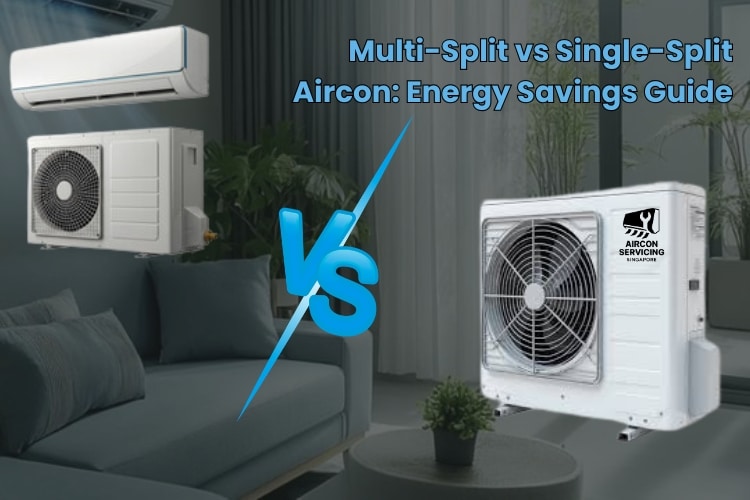
Electricity bills in Singapore no longer creep up quietly. They jump. With tariffs rising and homes relying on cooling year-round, homeowners now question every kilowatt. In 2026, the real debate in HDBs and condos centers on system choice. Multi-split or single-split. The wrong decision locks in higher costs for years. The right one reshapes comfort, efficiency, and long-term savings.
Energy efficiency now matters as much as cooling power.
Why This Question Matters More In 2026
Singapore households consume close to 30 percent of their electricity for air conditioning alone. NEA data shows that older systems use up to 20 percent more energy due to design inefficiencies. As inverter technology improves, the gap between system types becomes clearer.
Buyers no longer compare only the upfront price. They evaluate lifetime consumption, servicing impact, and part longevity. This shift explains the growing demand for Aircon Servicing Singapore consultations before installation decisions.
Efficiency starts with choosing the right architecture.
Understanding Single-Split Systems In High-Density Homes
Single-split systems pair one indoor unit with one outdoor condenser. Each room operates independently. Cooling loads stay predictable. Maintenance remains straightforward.
In smaller HDB layouts, this setup shines. When one room runs, others stay off. Energy usage mirrors actual occupancy. According to BCA studies, targeted cooling can reduce household aircon energy use by up to 18 percent.
Homeowners who prioritize control often align this choice with a professional aircon servicing plan to preserve peak efficiency.
How Multi-Split Systems Change The Equation
Multi-split systems connect several indoor units to a single outdoor compressor. Space-saving appeal is strong in condos with limited ledges. Aesthetic benefits also attract buyers.
However, energy dynamics differ. When one room calls for cooling, the compressor still supports the entire network. Partial loads reduce efficiency. Over time, compressors cycle harder.
This reality explains why owners often closely monitor aircon servicing prices in Singapore for multi-split setups.
Energy Efficiency Comparison At A Glance
| Factor | Single-Split | Multi-Split |
| Partial Load Efficiency | High | Moderate |
| Compressor Stress | Low | Higher |
| Zonal Control | Full | Shared |
| Maintenance Complexity | Simple | Complex |
| Best Fit | Smaller homes | Space-limited units |
This table highlights why layout matters as much as brand.
Real-World Scenarios In Singapore Homes
The Compact Three-Room HDB
Evening usage stays room-specific. Single-split systems cut unnecessary load and reduce monthly bills.
The High-Floor Condo With Limited Ledges
Multi-split units solve space constraints despite higher long-term energy use.
The Work-From-Home Household
Continuous single-room cooling favors independent systems for greater efficiency and stability.
The Rental Investment Unit
Simpler servicing of aircon setups reduces downtime and repair disputes.
Servicing Impact On Long-Term Energy Savings
System choice alone does not determine efficiency. Maintenance keeps energy loss in check. Dirty coils raise consumption by up to 15 percent annually—poor refrigerant balance strains compressors.
Homeowners who follow aircon servicing schedules more often preserve efficiency longer. Those seeking predictability usually commit to an aircon servicing package rather than ad hoc fixes.
This discipline matters more for multi-split systems due to shared compressor wear.
Cost Reality Beyond Installation
Initial installation prices mislead many buyers. Lifetime cost tells the real story. SP Group data indicates that inefficient cooling can add hundreds of dollars annually to electricity bills.
Owners who track how much aircon servicing in Singapore costs often discover that preventive care offsets higher upfront costs. Strategic servicing reduces emergency breakdowns and stabilizes consumption.
Smart decisions compound over time.
Which System Saves More Energy Overall?
For most HDBs under 1,200 square feet, single-split systems deliver better energy efficiency. They align output with actual usage. In condos with limited space, multi-split systems remain practical but require stricter maintenance.
Aircon Servicing Singapore advises homeowners to evaluate layout, usage habits, and servicing commitment before deciding. Energy savings emerge from alignment, not assumptions.
FAQs
Which system uses less electricity monthly
Single-split systems typically consume less when rooms operate independently.
Does inverter technology equalize both options
Inverters help, but system design still affects partial load efficiency.
Are multi-split systems harder to maintain
Yes. Shared compressors increase complexity and repair cost.
How often should servicing happen for efficiency
Most homes benefit from being serviced every 3 to 4 months.
Can servicing really lower power bills
Proper maintenance can reduce energy use by up to 15 percent.
Make Efficiency A Long-Term Advantage
Cooling choices shape your electricity bills for the next decade. In 2026, informed homeowners win by matching system design to living patterns, not marketing claims.
If you want clarity before committing, speak with Aircon Servicing Singapore for a tailored assessment. The right system paired with disciplined care delivers comfort without regret.
Energy savings start with one smart decision today.